
How to Use Hair Oil for Hair Growth: A Beginner's Guide
Hair oiling is one of the oldest hair care rituals in the world — practiced for centuries across South Asia, the Mediterranean, and Africa. And there's a reason it's never gone out of style: it works. If you're new to hair oiling or not sure you've been doing it right, this guide breaks it all down so you can get the most out of every drop.
Does Hair Oil Actually Help with Hair Growth?
Yes — but with an important nuance. Hair oil doesn't directly cause hair to grow from the follicle. What it does is create the optimal scalp environment for healthy growth by:
- Increasing blood circulation to the scalp (especially with massage)
- Reducing scalp inflammation that can slow or stall growth
- Strengthening hair strands to reduce breakage — so length is retained
- Moisturizing and sealing the hair shaft to prevent dryness and split ends
- Nourishing the scalp with vitamins and antioxidants that support follicle health
The result is hair that grows stronger, breaks less, and retains more length over time. For many people, that translates to noticeably longer, thicker-looking hair within a few months of consistent oiling.
Why Olive Leaf?
Not all hair oils are created equal. The ingredients in your oil matter just as much as how you use it. Olive leaf extract is one of the most powerful natural ingredients you can put on your scalp and hair — and it's the star of our Hair Oil with Olive Leaf.
Here's what olive leaf brings to your hair care routine:
- Antioxidant protection — olive leaf is rich in oleuropein, a potent antioxidant that protects hair follicles from oxidative stress
- Anti-inflammatory properties — reduces scalp inflammation that can contribute to thinning and shedding
- Antimicrobial benefits — helps keep the scalp clean and balanced, reducing dandruff and buildup
- Deep conditioning — penetrates the hair shaft to soften, strengthen, and add shine
Want to go deeper on olive leaf? Read our full breakdown: Top 6 Reasons Your Hair Regimen Needs Olive Leaf.
🌿 Olive Leaf Extract vs. Olive Fruit Oil — What's the Difference?
Both come from the olive tree — but they work differently for your hair and scalp.
| Feature | 🍃 Olive Leaf Extract (Olea Europaea Fruit Extract) |
🫒 Olive Fruit Oil (Olea Europaea Fruit Oil) |
|---|---|---|
| Source | Concentrated extract from the olive leaf | Cold-pressed from the olive fruit |
| Key Compounds | Oleuropein — a polyphenol with antioxidant and antimicrobial properties | Oleic acid and phenols — fatty acids that coat and condition the hair shaft |
| Primary Role for Hair | Supports follicle stimulation and scalp health; associated with initiating the anagen (growth) phase | Moisturizes and softens hair; helps reduce breakage and adds shine |
| Scalp Benefits | Antimicrobial properties may help address dandruff-causing fungi and bacteria | Emollient that helps soothe dry scalp by reducing moisture loss |
| Texture / Feel | Lightweight; absorbs quickly without heavy residue | Richer and more lubricating; great for sealing in moisture |
| Best Used For | Scalp concerns, hair growth support, and antimicrobial action | Deep conditioning, shine, and reducing mechanical breakage |
✨ Our Hair Oil with Olive Leaf contains both — certified organic olive fruit extract and olive fruit oil — so your scalp and strands get the full benefit.
How to Use Hair Oil: Step by Step
Step 1: Section Your Hair
Divide your hair into 4–6 sections using clips or hair ties. This makes it easier to apply oil directly to the scalp rather than just coating the surface of your hair.
Step 2: Apply Oil to Your Scalp
Using the applicator tip or your fingertips, apply a small amount of Hair Oil with Olive Leaf directly to your scalp along each part. Work through each section. You don't need a lot — a little goes a long way.
Step 3: Massage for 3–5 Minutes
This is the most important step. Use your fingertips (not your nails) to massage the oil into your scalp using small circular motions. Spend at least 3–5 minutes on this. The massage stimulates blood flow to the follicles, which is key for encouraging growth. It also feels incredible.
Step 4: Work the Oil Through Your Lengths
After the scalp, run any remaining oil through the mid-lengths and ends of your hair. This is where breakage happens most, so keeping these areas moisturized is essential for length retention.
Step 5: Leave It In or Rinse
You have two options:
- Pre-wash treatment: Apply oil 30 minutes to a few hours before shampooing. This protects hair from the drying effects of cleansing and adds deep conditioning benefits.
- Leave-in treatment: Apply a smaller amount to damp or dry hair and leave it in. Great for sealing in moisture and adding shine between wash days.
How Often Should You Oil Your Hair?
For most hair types, 1–2 times per week is the sweet spot. Here's a simple guide:
- Fine or oily hair: Once a week as a pre-wash treatment; rinse thoroughly
- Medium or normal hair: 1–2 times per week, pre-wash or light leave-in
- Thick, coily, or very dry hair: 2–3 times per week; leave-in application works well
- Protective styles (braids, twists): Apply to scalp every few days to keep the scalp nourished while your hair is tucked away
Common Beginner Mistakes to Avoid
- Using too much oil — more is not more. A few drops per section is enough. Over-applying leads to buildup and greasy hair.
- Skipping the massage — just applying oil without massaging misses the biggest growth benefit. The massage is non-negotiable.
- Only oiling the ends — the scalp is where growth starts. Prioritize the scalp first, then the ends.
- Expecting overnight results — hair oiling is a long game. Give it 8–12 weeks of consistent use before evaluating results.
Ready to Start?
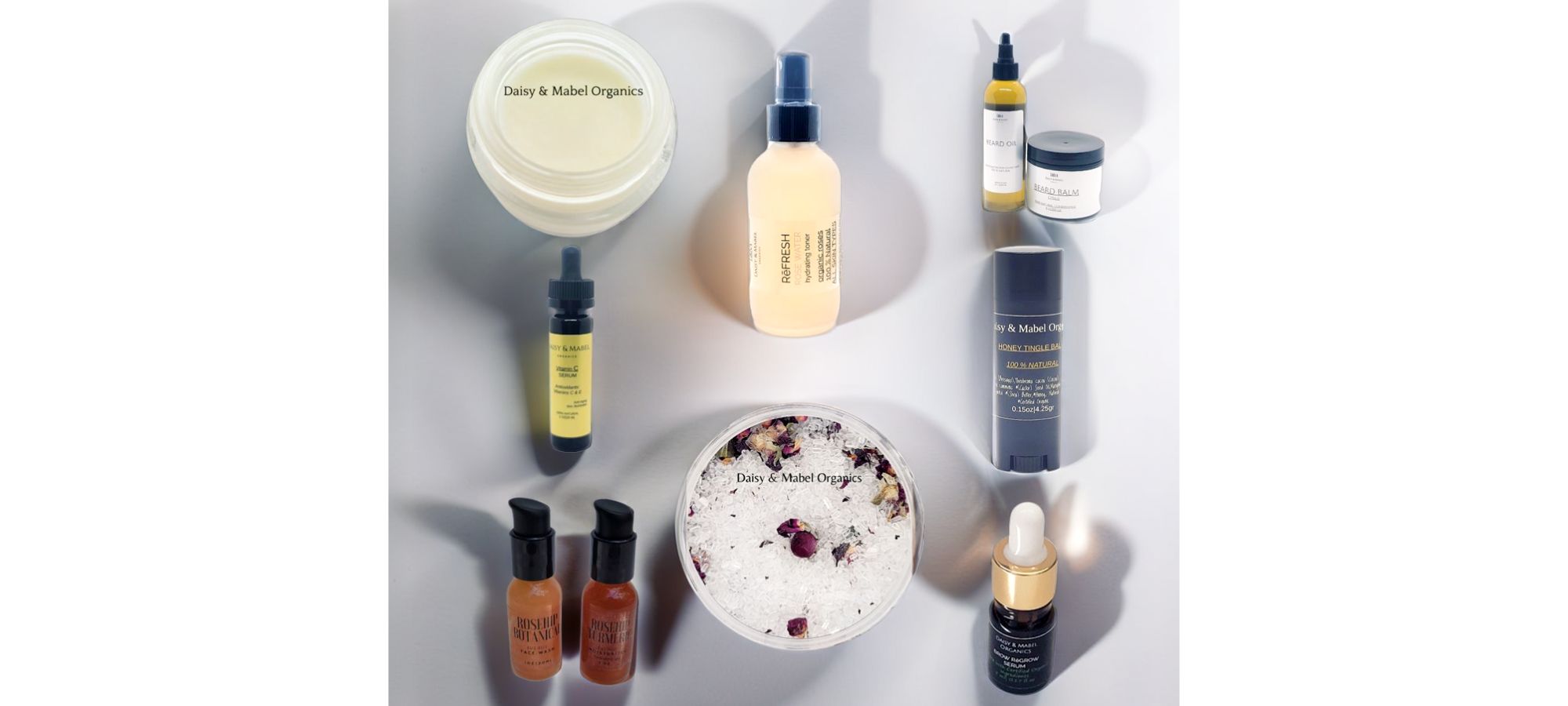
Our Hair Oil with Olive Leaf is scientist-formulated with clean, organic ingredients designed to nourish your scalp and support healthy hair growth — without any synthetic additives or fillers. It's the kind of product you'll reach for every wash day.
→ Shop Hair Oil with Olive Leaf
At Daisy & Mabel Organics, every product is scientist-formulated with clean, organic ingredients — so you can treat yourself without compromise.