
Do you use Vitamin C Serum? If not, what are you waiting for? Vitamin C serum is one of the most well-researched skin care ingredients available — and one of the most misunderstood. We're all familiar with the benefits of Vitamin C as a supplement, but applying it directly to your skin is a whole different level of impact.
Serums deliver a high concentration of active ingredients that deeply penetrate the skin.
The Science Behind Vitamin C Serum
Vitamin C (ascorbic acid) was first discovered in 1912 and isolated in 1928. By 1933, it became the first vitamin to be chemically produced. When applied topically, it works differently than when you consume it — your skin gets a direct, concentrated dose of its antioxidant and collagen-boosting properties without competing with your body's other needs.

Benefits of Vitamin C Serum
Lightens Dark Spots
Vitamin C inhibits the pathway of abnormal skin pigmentation, making it especially effective for skin with higher concentrations of melanin. It lightens dark spots from acne, sun damage, and aging — while leaving your natural skin tone intact. Hyperpigmentation, pregnancy mask, and hormonal dark spots all respond well to consistent Vitamin C use.
Minimizes Redness and Inflammation
As a powerful antioxidant, Vitamin C neutralizes free radicals associated with redness and irritation. It donates an electron to "turn off" free radicals, calming the skin and promoting a clearer, more even complexion.
Boosts Collagen and Fights Aging
Vitamin C accelerates the production of collagen and elastin — the two fibers responsible for firm, youthful skin. As we age, collagen production naturally slows. Vitamin C helps compensate, reducing the appearance of fine lines and keeping skin looking plump and resilient.
Helps Heal Skin
Vitamin C plays an integral role in collagen synthesis and the formation of new blood vessels, making it a powerful healer for sunburned skin, acne scars, and post-inflammatory marks. More blood flow to a wounded area means faster healing time.
- Fades dark spots from sun damage, acne scars, pregnancy, and aging
- Minimizes redness and inflammation for clearer skin
- Boosts collagen and elastin for firmer, more youthful skin
- Supports faster skin healing
- Protective antioxidant shield against daily environmental damage
How to Use Vitamin C Serum: Step by Step
Step 1: Cleanse
Always start with a clean face. Use a gentle face wash to remove makeup, oil, and impurities. Pat skin dry — leaving it slightly damp is fine and can actually help absorption.
Step 2: Tone
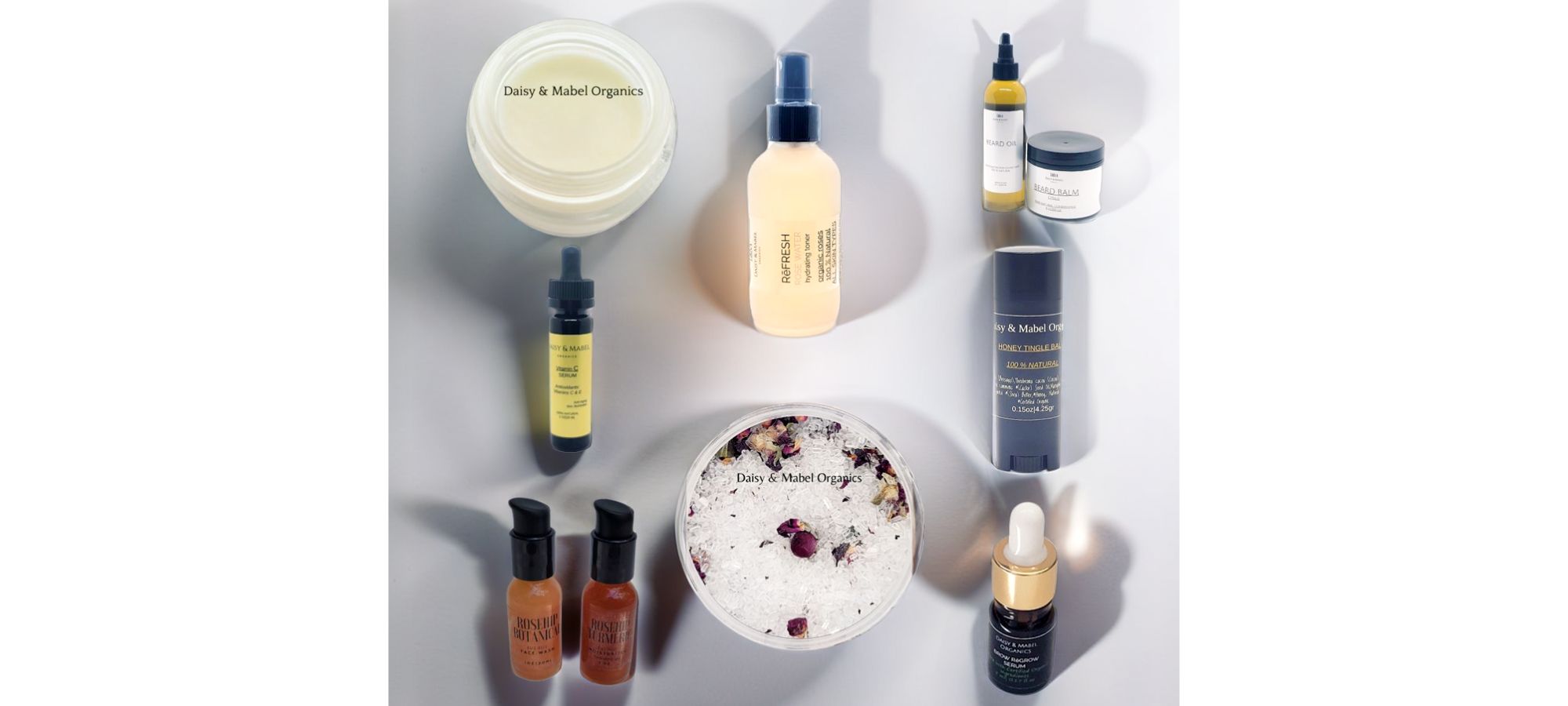
Apply a hydrating toner or facial mist to prep your skin. This step balances your skin's pH and helps the serum absorb more effectively. We love using RēFRESH ROSE WATER hydrating toner at this step — it's lightweight, calming, and sets the perfect base.
Step 3: Apply Vitamin C Serum
Apply 3–4 drops of Vitamin C Serum to your fingertips and gently press it into your face, neck, and décolletage. Don't rub — press and pat for best absorption. Allow it to absorb for 60–90 seconds before moving to the next step.
First time using it? Start with once daily (PM routine) and work up to twice daily as your skin adjusts. If you have sensitive skin, do a patch test on the side of your neck or inside your elbow first.
Step 4: Moisturize
Follow with your moisturizer to lock in the serum and keep your skin barrier hydrated. If you're using the Rosehip + Turmeric Face Moisturizer, this is the perfect pairing — rosehip and Vitamin C are both brightening ingredients that work synergistically.
Step 5: SPF (AM Routine Only)
If you're applying in the morning, always finish with SPF. Vitamin C is actually a powerful protector against free-radical damage from the sun — but it doesn't replace sunscreen. Layer both for maximum protection.

Who Should Use Vitamin C Serum With Caution?
If you have sensitive skin, start with a lower concentration (10%) and do a patch test before applying to your full face. Vitamin C serums typically range from 10%–20% — starting lower reduces the risk of any initial irritation while your skin adjusts.
Pregnant? Vitamin C Serum is considered skin-safe during pregnancy as long as it's formulated without Retinol A — which our formula is not. Always follow up with sunscreen, and consult your doctor before adding any new skin care product during pregnancy.
FAQs About Vitamin C Serum
What age group should use Vitamin C serum?
18–80 — all age groups can benefit.
Will my skin become damaged if I apply it during the day?
No — in fact, it's a powerful preventative that protects against free-radical damage from the sun. Don't skip your SPF though; apply sunscreen after your serum.
Can you use Vitamin C Serum while pregnant?
Yes. Our Vitamin C Serum is formulated without Retinol A, making it pregnancy-safe. Always follow up with sunscreen and consult your doctor prior to use.
How do I keep my product fresh?
Keep it away from light. Vitamin C serums are best stored in an amber or dark bottle, sealed airtight. Exposure to light causes oxidation and degrades the active ingredients.
How can I tell if my Vitamin C serum is still active?
Check the best-use date on the packaging. A clear color means it's active. Amber or brown color indicates oxidation — once oxidized, it's not reversible. Store properly: airtight and away from light.
Real Results: What to Expect

I've used Vitamin C Serum from my 20s into my 40s. I apply it twice daily — AM and PM — in conjunction with RēFRESH ROSE WATER hydrating toner, followed by Vitamin C Serum. My skin feels hydrated, firm, and glowy. For general brightening, give it at least 3 weeks of consistent use. For hyperpigmentation and acne scars, two months is a realistic timeframe — newer scars may respond sooner.

Malika

At Daisy & Mabel Organics, every product is scientist-formulated with clean, organic ingredients — so you can treat yourself without compromise.